Reviewing Mom s Time out for Real Embroidery Projects
As a designer who has spent years testing digital assets against the harsh reality of machine stitching, I approach every new file with a critical eye. The market is flooded with generic patterns, but Mom s Time out immediately caught my attention as a piece with genuine commercial potential. It isn't just a cute phrase; it is a statement design that speaks directly to the overwhelmed parent demographic. When evaluating this embroidery file for real project use, I am looking beyond the digital preview to understand how it translates into thread, tension, and texture on actual fabric.
The First Impression: Mood and Visual Weight
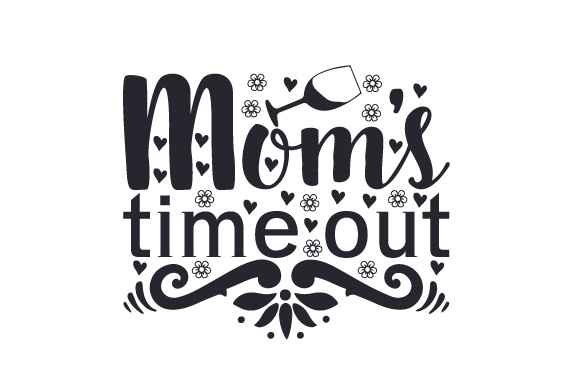
Opening the design files, the first thing I notice is the balance between typography and negative space. Mom s Time out carries a specific mood—humorous, relatable, and slightly rebellious. In the world of handmade products, designs that tap into shared emotional experiences often sell better than purely decorative ones. The layout feels sturdy enough to stand alone on a garment without needing excessive embellishment. However, as an experienced embroiderer, I know that visual weight in a 2D file does not always equal stitch density in a 3D finished product. The challenge with this design will be ensuring the lettering remains legible while maintaining the playful spirit intended by the creator.
Real-World Application: From File to Fabric
Let's imagine a practical scenario: I am preparing a custom embroidered tote bag for a local craft fair. Tote bags are a staple for small shop owners and Etsy sellers because they offer a large, flat canvas. Placing Mom s Time out on a natural cotton canvas works beautifully. The contrast between the white thread and the unbleached fabric makes the text pop. But what if I wanted to create a sweatshirt? Here, the design needs to hold up against the texture of fleece or jersey knit. On a dark grey sweatshirt, the design would require careful color selection. A bright red or electric blue thread could elevate the "time out" concept from passive to bold, making it a standout piece of custom apparel.
This design also fits perfectly into the holiday gift category. Picture a personalized apron for Mother's Day or a funny kitchen towel for a Christmas stocking stuffer. The versatility of Mom s Time out allows it to transition seamlessly from a nursery decor item to a boutique product. For those selling baby items, the phrase adds a touch of humor that parents love. However, when moving to baby clothes, we must be mindful of the softness of the stitches. Infants have sensitive skin, so the back of the embroidery needs to be clean, requiring a high-quality stabilizer to prevent puckering.
Navigating Technical Challenges
While the concept is strong, technical execution is where many projects fail. One area where Mom s Time out requires careful handling is on textured fabrics. If you attempt to stitch this on a heavy denim jacket or a thick wool blend, the needle might struggle to penetrate consistently, leading to skipped stitches or uneven fill. Similarly, on stretchy fabrics like spandex blends, the design can warp if the hoop size is too tight or if the wrong stabilizer is used. Always test the design on scrap fabric first to gauge how the machine handles the curves of the letters.
Small details are another concern. If the design includes tiny flourishes or thin lines, these can get lost in the weave of certain fabrics. On a fine linen tea towel, thin lines might look crisp, but on a coarse burlap, they could become muddy. This is why reviewing the stitch density before committing to a final run is crucial. Dense areas might cause the fabric to pucker, especially on lightweight materials. Furthermore, if you plan to use this design on curved surfaces like caps, the digitization must account for the curvature to avoid distortion. A straight line on a screen might look wavy once stitched onto a rounded brim.
Maximizing Product Value and Brand Consistency
For creative entrepreneurs and digital product sellers, the value of Mom s Time out lies in its ability to create a cohesive brand identity. If you run a shop focused on parenting humor, this design asset can serve as a cornerstone for your collection. Consistency in visual appeal builds customer trust. When buyers see a professional finish with clear, sharp lettering, they perceive higher value in the handmade product. Conversely, sloppy stitching or poor color choices can damage your reputation instantly.
The design also offers excellent opportunities for personalization. Adding a name below the main text or incorporating a small icon related to wine or crafts can make each item unique. This level of customization is highly sought after in the current market. Whether you are creating an embroidered patch for a hat or a full-sized design for a pillow cover, the ability to tweak the presentation increases the perceived worth of the finished product. Remember, the goal is to create something that looks professionally manufactured yet retains the charm of a handmade creation.
Practical Designer Notes for Success
To ensure your project succeeds, follow these practical steps when working with Mom s Time out:
- Test on Scrap Fabric: Never skip this step. Stitch the design on the exact material you plan to use to check for puckering and alignment.
- Check Thread Color Contrast: Ensure the thread stands out against the background. Test swatches in both light and dark conditions to verify visibility.
- Review Stitch Density: Look for areas that might be too dense, which can stiffen the fabric, or too sparse, which can show the background through.
- Confirm Hoop Size: Make sure the design fits comfortably within your hoop without stretching the fabric excessively.
- Inspect Small Details: Zoom in on the digital file to ensure no tiny elements will be lost during stitching.
- Use Proper Stabilizer: Select a stabilizer appropriate for the fabric type to support the weight of the thread.
- Verify Licensing: Before selling finished items or digital products, confirm the licensing terms allow for commercial use.
Finally, consider the formats provided. You will receive this design in SVG, Transparent PNG, EPS, and DXF files. These versatile formats allow you to adapt the design for various machines and software. However, always double-check the compatibility with your specific embroidery machine. While the file types are standard, some older machines may require conversion. By taking these precautions, you can turn Mom s Time out into a profitable addition to your craft business portfolio.