Retro Cinco De Mayo SVG Design 10 Review
As a designer who has spent years translating digital files into tangible thread on fabric, I approach every new asset with a mix of excitement and skepticism. The market is flooded with generic Cinco de Mayo graphics, but finding a piece that actually holds up under the scrutiny of a real embroidery machine is rare. When I first opened Retro Cinco De Mayo SVG Design 10, my immediate goal was to determine if this was just another clip-art style image or a viable machine embroidery design for my upcoming seasonal collection. The verdict? It’s a strong contender for specific applications, provided you understand its structural strengths and limitations.
The First Impression: Mood and Visual Weight
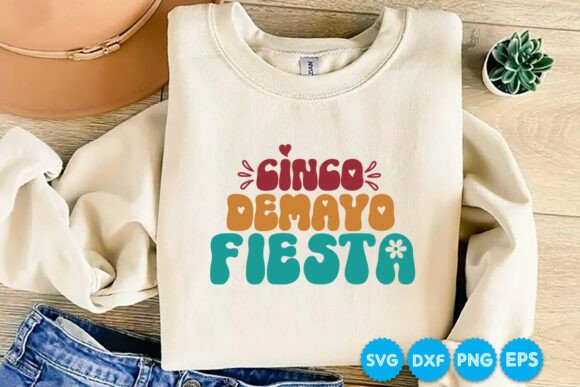
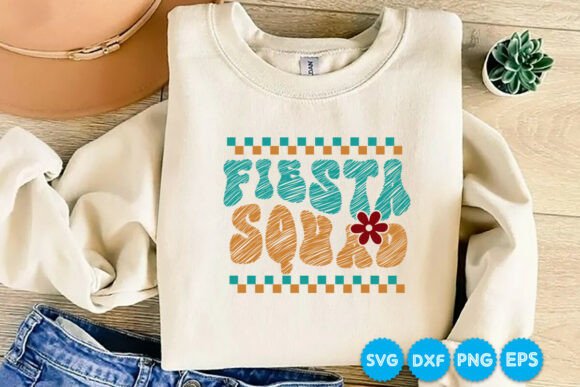
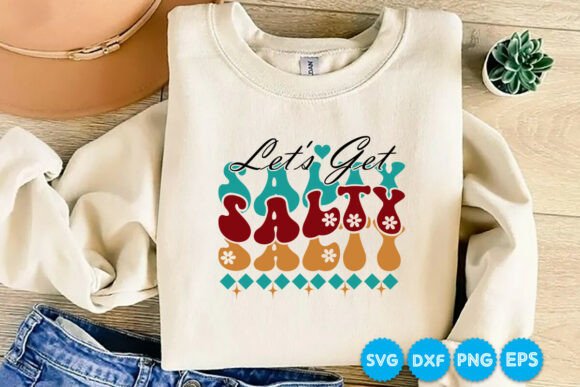
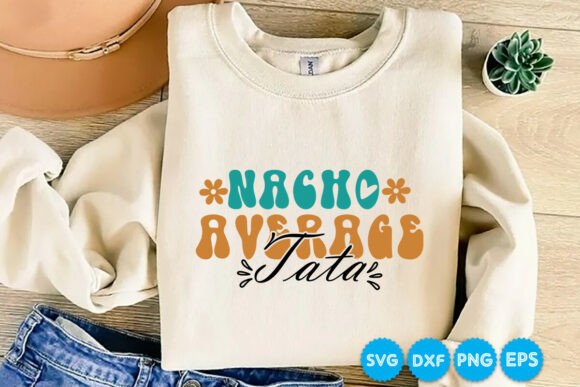
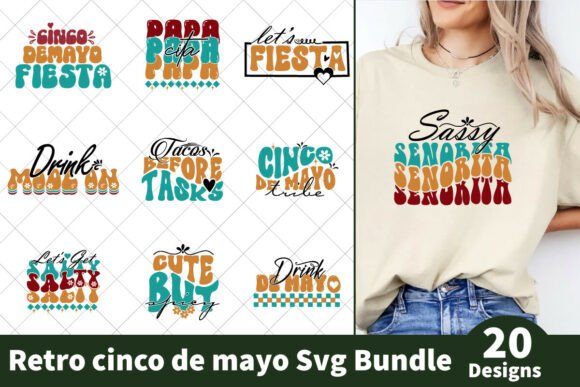
Before even loading the file into my digitizing software, the visual personality of Retro Cinco De Mayo SVG Design 10 speaks volumes. The aesthetic leans heavily into that nostalgic, vintage Americana vibe—think faded sunsets, bold typography, and classic floral motifs often associated with Mexican-American heritage celebrations. For an Etsy seller or a boutique owner looking to curate a cohesive holiday collection, this mood is invaluable. It avoids the neon-bright, chaotic look of many mass-market designs and instead offers a sophisticated, retro-cool feel.
However, as a reviewer focused on practical application, I immediately started analyzing the line work. The layered nature of the SVG file allows for significant customization, which is a major plus. You can easily isolate elements to create a smaller embroidered patch or scale it up for a large back print on a sweatshirt. The shapes are generally clean, but there are some intricate curves in the lettering and floral details that will require careful attention when converting from vector to stitch data. This is not a "load and go" file; it demands a designer who knows how to manage stitch density to prevent puckering.
Real-World Application: From File to Finished Product
To truly test Retro Cinco De Mayo SVG Design 10, I simulated a project for a local craft fair. My plan was to create a series of custom tote bag designs and heavy-weight cotton aprons. The canvas here is crucial. Because the design features bold outlines and solid fill areas, it translates beautifully onto structured fabrics like canvas or denim. On a tote bag, the retro aesthetic pops against the natural texture of the material, creating a high-perceived value item that customers are willing to pay a premium for.
I also considered using this for sweatshirt embroidery. The retro theme pairs exceptionally well with the casual comfort of fleece or French terry. However, the placement matters. If you place the full design on the chest of a hoodie, the detail might get lost due to the fabric's nap. Instead, I would recommend scaling it down slightly or focusing on the central graphic element for a pocket placement. For personalized gifts, such as a family reunion shirt or a bridal party apron, the ability to edit the text layers in the EPS file makes this design incredibly versatile. You can swap out names or dates without compromising the overall layout, ensuring the finished product feels unique to the recipient.
Navigating Fabric Challenges and Stitch Types
While the design is robust, it is not immune to the physics of embroidery. One area where Retro Cinco De Mayo SVG Design 10 requires caution is on stretchy or thin fabrics. The dense areas of the retro floral patterns rely heavily on fill stitch to maintain their shape. On a lightweight t-shirt or a jersey knit, this density can cause the fabric to pucker or distort, ruining the clean lines of the graphic. In these cases, you must use a heavy-duty stabilizer and potentially reduce the stitch count in your digitizing process.
Additionally, be wary of using this design on dark fabrics without proper underlay planning. The retro color palette often includes creams, light yellows, and soft reds. Without a solid white underlay or a satins stitch border to separate the colors from the background, the vibrancy will be muted. For a professional look, especially in commercial embroidery projects, always test the thread colors against your specific fabric swatch before committing to a bulk run.
Practical Designer Notes for Success
If you decide to integrate Retro Cinco De Mayo SVG Design 10 into your workflow, follow these critical steps to ensure a flawless result:
- Test on Scrap Fabric: Never skip this step. Run a small version of the design on the exact fabric you intend to use. Check for pull-through, registration issues, and tension problems.
- Review Stitch Density: The original vector may look perfect, but too much thread in a small space causes stiffness. Adjust your fill stitch settings to allow the fabric to breathe.
- Confirm Hoop Size: While the file is scalable, pushing it too small will turn the detailed lettering into a muddy blob. Ensure your hoop size accommodates the minimum readable width of the text.
- Check Licensing: As a small business owner, verify the license terms included with your download. Can you sell the finished embroidered items? Can you resell the digital file itself? Clarity here protects your brand.
- Mockup Before Production: Use the high-resolution PNG file to create a printable mockup of your intended product. This helps visualize how the design sits on the garment and catches potential spacing errors early.
Final Verdict: A Versatile Asset for the Savvy Maker
In conclusion, Retro Cinco De Mayo SVG Design 10 is a valuable addition to any creative entrepreneur's library, but it rewards skill over convenience. It is not merely a graphic to be slapped onto a shirt; it is a foundation for a thoughtful handmade product. When used correctly on the right materials, it elevates simple garments into collectible pieces that celebrate culture and style.
For those looking to expand their holiday embroidery offerings, this design provides the perfect balance of nostalgia and modern appeal. Whether you are crafting a one-off personalized gift or producing inventory for your online shop, the key lies in respecting the mechanics of the stitch. By taking the time to adjust for fabric texture, stabilize properly, and choose the right color combinations, you can transform this digital asset into a physical masterpiece that stands out in a crowded market. Just remember: the quality of your finished product depends less on the file format and more on your execution.